Selecting the Ideal Exterior Finish for Your House’s Needs
Choosing the right siding material for your home is a crucial decision. It not only affects the appearance but also impacts maintenance, energy efficiency, and resale value. With so many options available, it can be overwhelming to make the right choice. In this guide, I will explore various siding materials, discuss their benefits, and offer tips for making an informed decision.
Exploring Different Types of Siding Materials
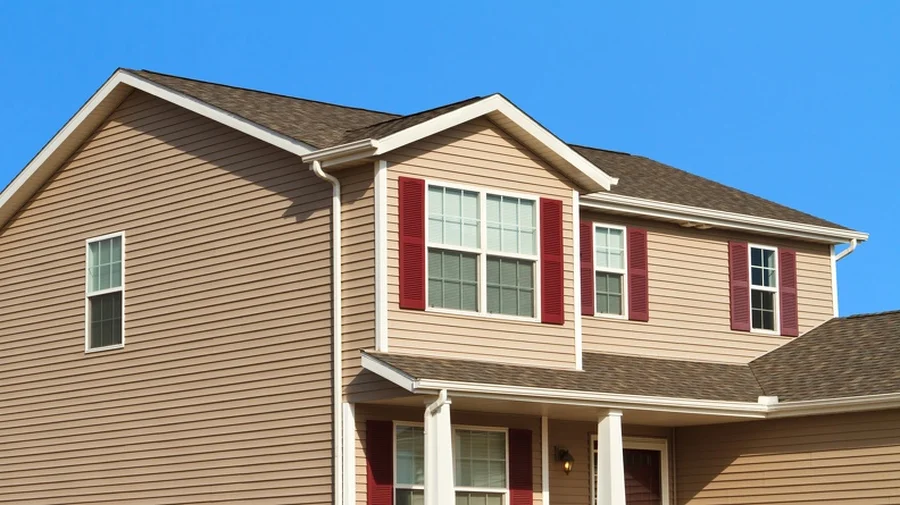
When considering siding options, there are several materials to choose from. Common choices include vinyl, wood, fiber cement, and metal. Each type has its unique characteristics that suit different needs and preferences.
The Advantages of Vinyl Siding
Vinyl siding is popular due to its affordability and low maintenance needs. It offers a wide range of colors and styles, allowing homeowners to customize their home’s look easily. Additionally, vinyl is resistant to pests and doesn’t require painting, saving time and money in the long run.
Benefits of Fiber Cement Siding
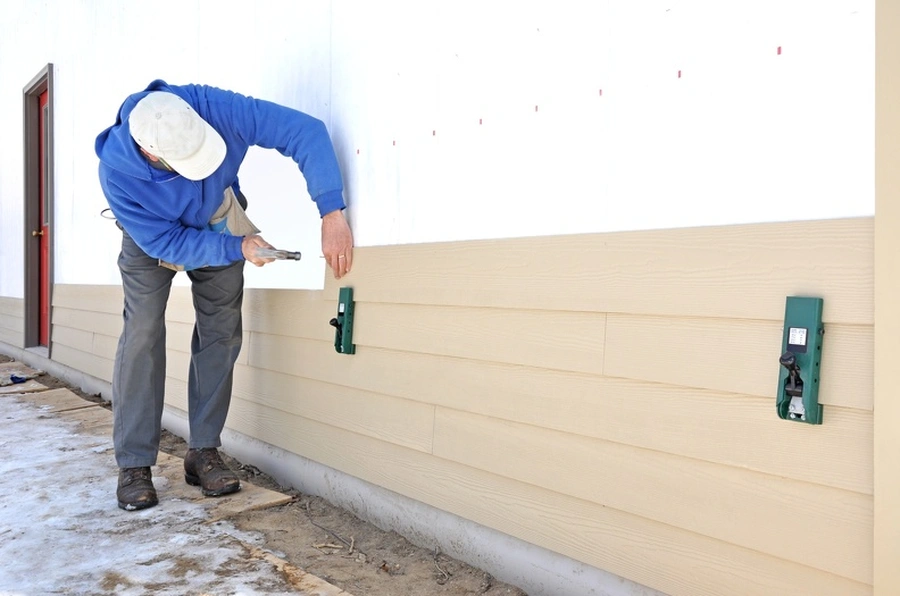
Fiber cement siding provides excellent durability and is resistant to rot and insects. It’s ideal for those seeking a high-end look without the cost associated with traditional materials like wood. Furthermore, fiber cement can withstand harsh weather conditions, ensuring your home’s protection year-round.
Why Wood Siding Might Be Right for You
Wood siding offers a timeless aesthetic appeal that many homeowners find attractive. It provides natural insulation properties, which can help reduce heating and cooling costs. However, it does require regular maintenance to prevent issues such as moisture damage or insect infestations.
Considering Metal Siding Options
Metal siding is known for its strength and longevity. It’s fire-resistant and requires minimal upkeep. While it might be more expensive initially, its durability can make it a cost-effective option over time. Metal siding is an excellent choice if you live in areas prone to extreme weather conditions.
Factors to Consider Before Choosing
- Climate: Consider how well the material performs in your local weather conditions.
- Budget: Determine what you are willing to spend on both initial installation and ongoing maintenance.
- Maintenance: Evaluate how much time you’re ready to dedicate to maintaining your siding.
- Aesthetic Appeal: Decide on a style that complements your home’s architecture.
Siding Installation Process Overview
The siding installation process varies depending on the chosen material. Generally, it involves preparing the exterior surface, applying a moisture barrier, and then attaching the siding panels securely. Hiring professionals ensures proper installation and maximizes the material’s lifespan. This step is essential to achieving your desired result.
Siding Installation Tips for Success
Working with experienced contractors can ensure a smooth process. Verify credentials and seek recommendations from trusted sources. Clear communication about expectations and budget aids in avoiding misunderstandings during the project.
Cost Considerations for Siding Projects
The cost of siding projects depends on several factors, including material choice, size of the home, and labor expenses. Although some materials have higher upfront costs, they may offer savings through reduced maintenance or increased energy efficiency over time.
Final Thoughts on Selecting Your Home’s Siding
In conclusion, selecting the right siding material involves weighing multiple factors such as climate compatibility, maintenance demands, and personal preferences. By understanding each material’s pros and cons, you can make a choice that enhances your home’s aesthetics while providing long-term benefits. Located in Sultan, WA, I am committed to helping you find the perfect solution for your home. Contact Fagan Construction LLC at (425) 669-1784 for expert guidance tailored to your specific needs.